
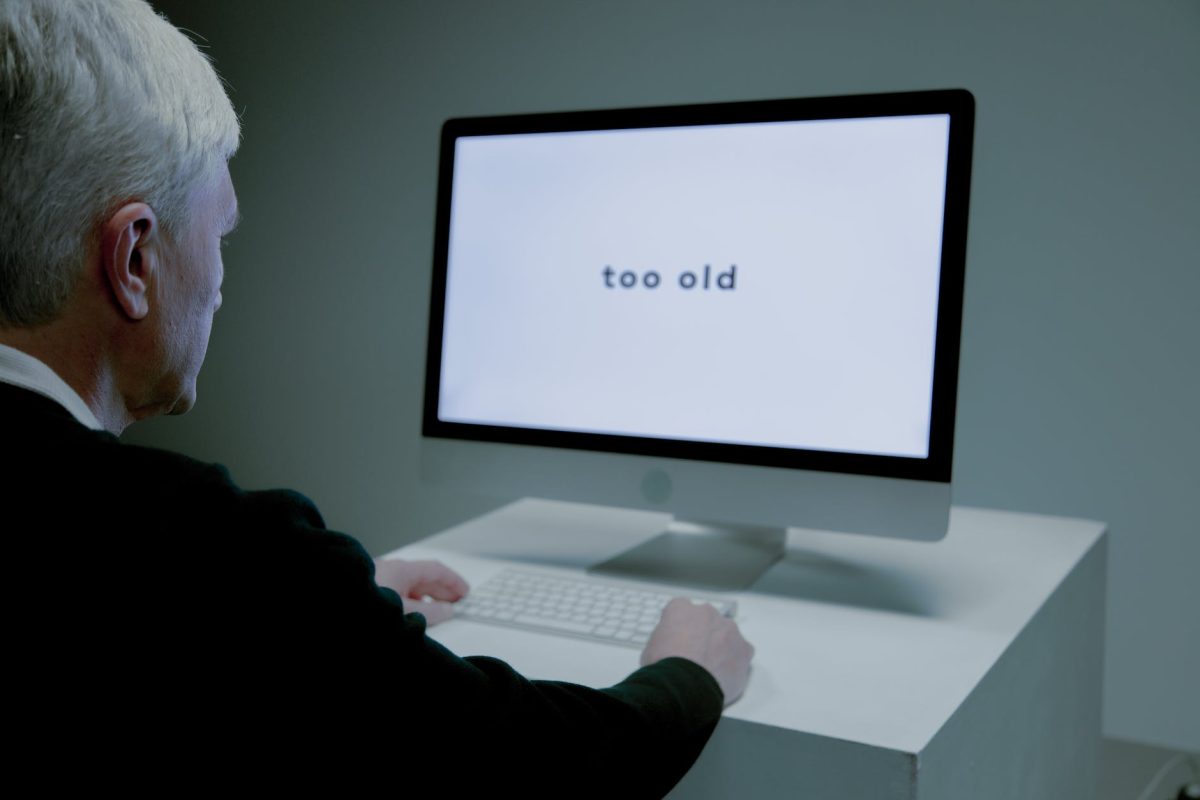
“I was just joking!”
It is the oldest excuse in the book. A colleague makes a comment about someone’s race, gender, or disability, and when called out, they hide behind “banter.”
But let’s be clear: Discriminatory banter is not a joke. It is harassment.
Whether subtle or overt, this behaviour creates a hostile environment that ruins morale and exposes your business to massive legal liability. If you are dealing with a culture of toxic “jokes,” you may need to launch a Melbourne harassment investigation to reset the standard.
Why “Just Joking” is No Defence
In Australian law (specifically the Sex Discrimination Act and Fair Work Act), the intent of the harasser generally does not matter.
You cannot defend yourself by saying, “I didn’t mean to offend.” The law focuses on the impact on the victim. If a reasonable person would anticipate that the comment would make the victim feel offended, humiliated, or intimidated, it is unlawful harassment.
The Dangers of “Banter”
Discriminatory banter is insidious because it often starts small.
- The “Hostile” Environment: Constant low-level teasing about a person’s accent or age wears them down. It creates a workplace where they feel unsafe and undervalued.
- The Productivity Hit: You cannot work effectively when you are constantly guarding yourself against insults.
- The Legal Risk: Employers can be held “vicariously liable” for the banter of their employees if they failed to take reasonable steps to prevent it.
Regional vs. Metro Culture
This issue isn’t limited to city offices. We frequently conduct workplace investigations in Ballarat and other regional hubs where “old school” banter is still deeply ingrained.
In these environments, calling out “mates” for offensive jokes can be incredibly difficult. However, the legal standard remains the same: everyone deserves respect.
What Employers Must Do
You cannot be a passive bystander. To protect your business:
- Zero Tolerance Policy: Update your Code of Conduct to explicitly state that “humour” based on protected attributes (race, sex, disability) is misconduct.
- Training: Don’t just tick a box. Run training that gives examples of what is and isn’t acceptable.
- Investigate: If a report is made, treat it seriously. Launch a formal Melbourne workplace investigation to determine if the behaviour constitutes misconduct.
Tips for Employees: How to Respond
If you are the target of discriminatory banter, it can be paralyzing. Here is how to handle it:
1. The Direct Approach
If you feel safe, shut it down immediately with a neutral statement:
“That comment wasn’t funny; it was offensive. Please don’t speak to me like that again.”
2. The “Play Dumb” Technique
Force them to explain the “joke.”
“I don’t get it. Can you explain why that is funny?”
Usually, explaining the racism or sexism makes the harasser uncomfortable and exposes the behaviour.
3. Report It
If it continues, report it to HR or your manager. Provide dates, times, and exactly what was said.
Conclusion
Discriminatory banter damages lives. It isolates employees and creates a culture of fear.
Employers have a responsibility to create a culture where everyone feels safe. If “banter” is crossing the line in your team, it is time to act.
Is “Banter” destroying your team?
Jolasers has 17+ years of experience investigating complex harassment cases. We help you draw the line.
Telephone: 0418 101 164 (Stephen Oliver)
Service Areas:
Melbourne Harassment | Ballarat Investigations
Common Questions
What is a ‘protected characteristic’?
These are attributes protected by law, including race, age, sex, sexual orientation, disability, religion, and pregnancy status. Harassment based on these is unlawful.
Can I be fired for a joke?
Yes. If the ‘joke’ constitutes serious misconduct (e.g., a racial slur or sexual harassment), it can be grounds for termination, regardless of your intent.
What if the victim laughed?
This is not always a defence. Victims often laugh nervously to diffuse tension or because they fear retaliation. It does not mean they welcomed the conduct.