
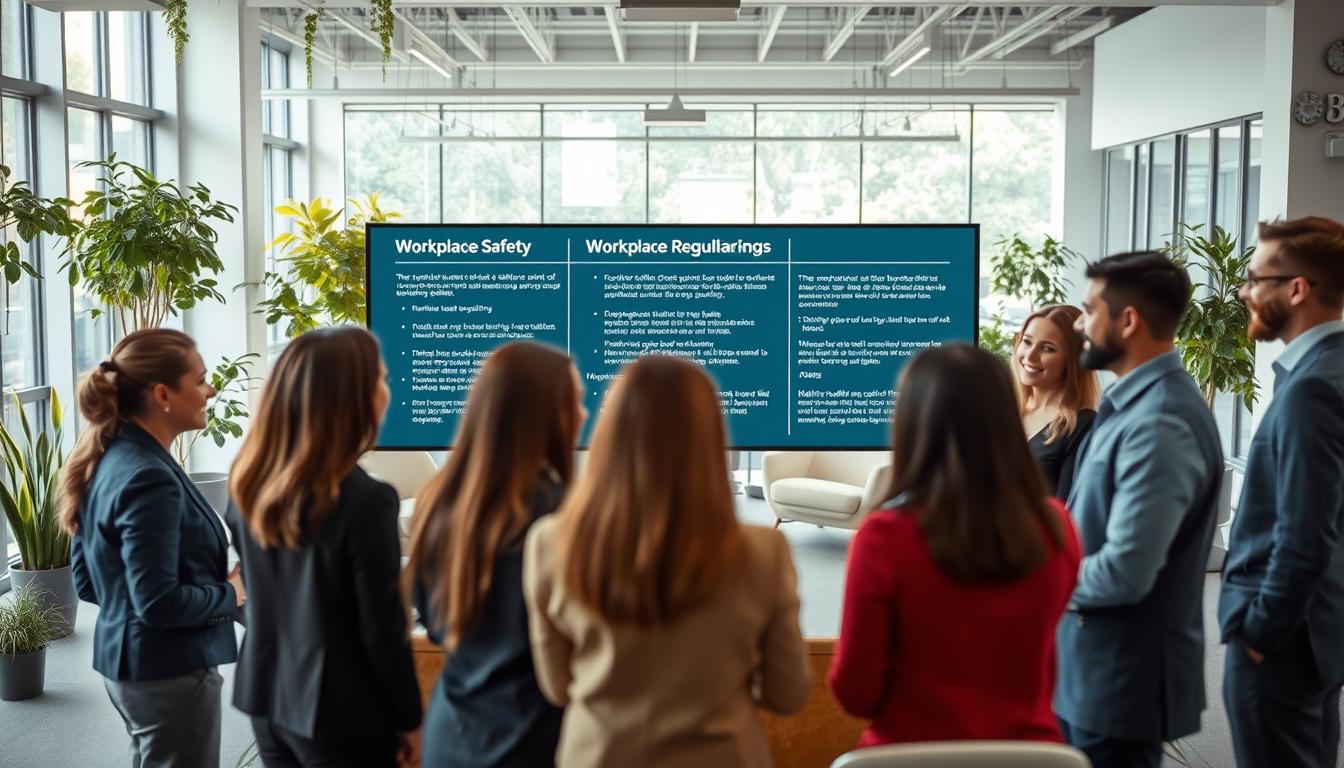
A significant shift in workplace safety standards has arrived. The new Occupational Health and Safety (Psychological Health) Regulations commenced in Victoria recently, marking a pivotal moment for employers across the state.
The days of treating mental health as a secondary concern are over. Under these new rules, psychological safety is now on equal legal footing with physical safety.
Whether you are managing a corporate office requiring a Melbourne workplace investigation or running a regional site, you now have a positive duty to identify and eliminate psychosocial risks.
The Urgent Need for Change
The data is undeniable. Claims for mental health conditions now make up 12% of all serious WorkCover claims. Even more concerning, the median time lost from work for mental injuries is nearly five times greater than for physical injuries.
In Victoria, the situation is pressing. Only 42% of workers with a mental injury return to work within six months. This represents a massive loss of productivity and talent.
Who is Most at Risk? (The Statistics)
Psychosocial hazards do not impact every employee equally. To manage risk effectively, employers must understand that certain groups face disproportionate levels of harm.
According to recent data from the Australian Human Rights Commission (AHRC) and Safe Work Australia:
- First Nations People: 56% of Aboriginal and Torres Strait Islander workers have experienced workplace sexual harassment (a major psychosocial hazard), compared to the national average of 33%.
- Racial Minorities: Workers from Culturally and Linguistically Diverse (CALD) backgrounds are at higher risk of isolation and exclusion. Data indicates that racially motivated bullying is a significant contributor to psychological injury claims.
- Disability: 48% of workers with a disability reported experiencing harassment or discrimination in the workplace.
If your risk assessment ignores these demographics, your safety plan is incomplete.
What Do the New Regulations Require?
The new framework defines “psychosocial hazards” as factors in work design, systems, or management that can cause negative psychological responses.
Your Obligations:
- Identify Hazards: You must actively look for risks like high job demands, low job control, and poor support.
- Eliminate or Control: You must eliminate the risk where “reasonably practicable.” If you can’t eliminate it, you must minimize it.
- Review: You must regularly review your control measures.
Regional vs. Metro Compliance
These regulations apply statewide. A farm manager in the Mallee has the same legal duties as a CEO in Collins Street.
We frequently conduct workplace investigations in Mildura and other regional hubs where “old school” management styles often clash with these new laws. Ignoring these regulations in regional areas is a direct path to WorkSafe prosecution.
How to Enhance Compliance
Training is not enough. You cannot just run a PowerPoint presentation and call it “compliance.”
1. Review Your Systems
Look at how work is done. Is the workload realistic? Is the roster fair? These are now safety issues.
2. Implement Control Measures
Focus on high-severity hazards first. This includes addressing gendered violence, aggression, and bullying.
3. Investigate Hazards Promptly
If a report is made, you must act. Failure to investigate psychosocial hazards in Melbourne or regional sites can be seen as a failure to maintain a safe workplace.
Conclusion
This is a new era for safety. Employers who embrace these changes will see reduced compensation costs and higher retention.
Proactive management of psychological health is no longer “nice to have”—it is the law.
Are You Compliant with the New Regulations?
Don’t wait for a WorkSafe inspection. Jolasers can help you identify and investigate psychosocial risks.
Telephone: 0418 101 164 (Stephen Oliver)
Service Areas:
Melbourne Safety Investigations | Mildura & Regional Victoria
Common Questions
What is a ‘psychosocial hazard’?
It is anything in the design or management of work that increases the risk of work-related stress. Examples include high job demands, low job control, poor support, and workplace bullying.
Can I be fined for stress?
Yes. Under the OHS Act, if you fail to eliminate risks to psychological health, you face the same penalties as failing to guard a physical machine (including large fines and potential jail time for reckless endangerment).
Does this apply to small business?
Yes. The regulations apply to all employers in Victoria, regardless of size. However, what is considered ‘reasonably practicable’ may vary depending on the resources available to the business.