
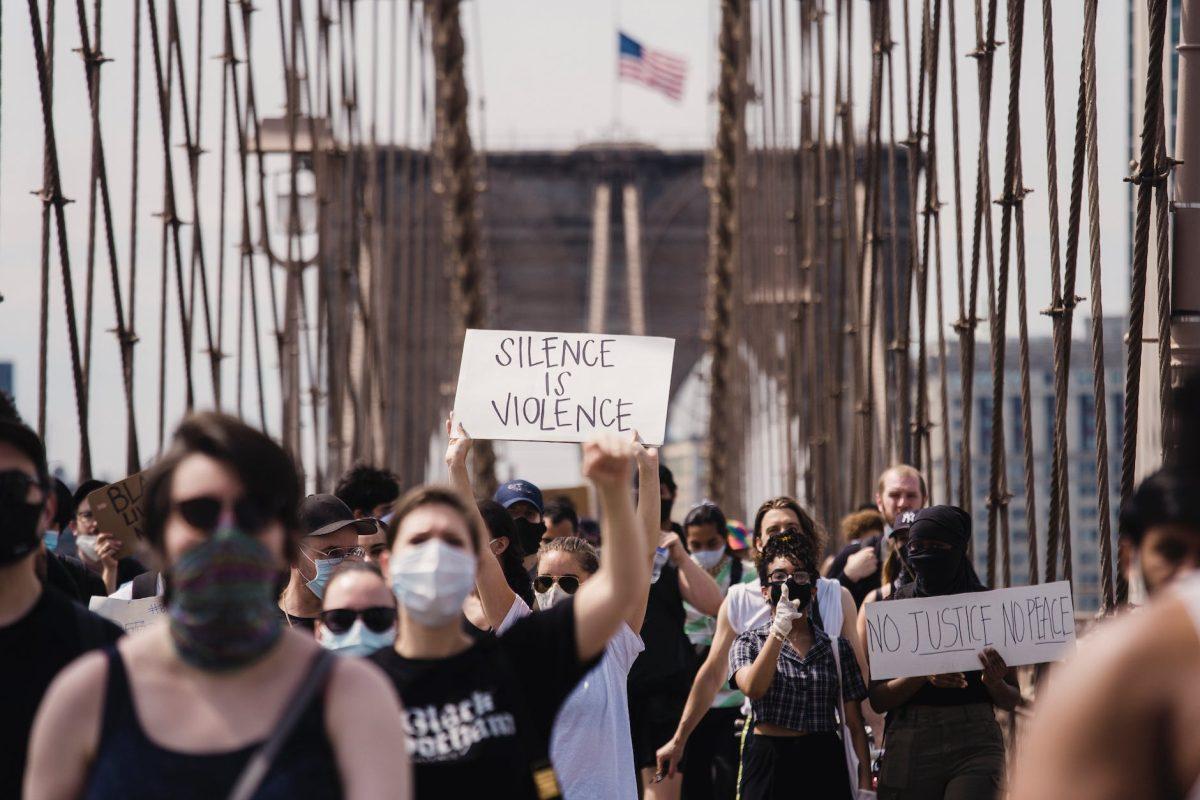
Conversations about workplace discrimination have increased in recent years, but the issue is not new. People have fought for fair treatment for decades.
While the specific nature of discrimination has evolved, the core problem remains. From the exclusion of women in early factories to the systematic barring of minority groups from trades, history is full of examples.
But why does this keep happening? How has it evolved? Most importantly, what can you do to combat it?
What is workplace discrimination?
Discrimination is treating someone differently due to a protected characteristic they cannot control. This includes race, gender, age, religion, and disability.
It manifests in many ways, including hiring decisions, pay gaps, and promotion opportunities. Crucially, discrimination can be intentional or unintentional. You might have colleagues who treat you differently without realizing their own bias is the cause.
How discrimination has evolved
Discrimination is as old as civilization, but its modern form is often more subtle than in the past.
Racial Discrimination
Historically, racial prejudice was often overt and explicit. Today, it frequently manifests as unconscious bias. This means decision-makers may inadvertently favour candidates who “look like them,” relying on stereotypes rather than malice.
Gender Discrimination
While overt disapproval of women in the workplace has decreased, subtle barriers remain. This often appears as the “glass ceiling,” pay disparities, or assumptions about leadership capabilities based on gender.
Age Discrimination
In a rapidly changing tech landscape, ageism has shifted. It often appears as an assumption that older workers cannot adapt to new software or lack “cultural fit” with a younger team.
Religious Discrimination
While open religious intolerance is less common, subtle bias persists. This can look like inflexible scheduling that ignores religious holidays or dress codes that indirectly target specific faiths.
Why does it keep happening?
Discrimination is often a result of human nature’s tendency to make snap judgements. To save mental energy, we rely on stereotypes.
In the workplace, this is dangerous. When we let a stereotype guide a hiring or management decision, we hold people back. It leads to resentment, disengagement, and legal risk. It is always better to ask a candidate directly about their skills rather than assuming they cannot do the job based on a bias.
How to combat workplace discrimination.
- Acknowledge it exists: You cannot fix a problem you ignore. Accept that discrimination happens, even in “good” companies.
- Check your own bias: Be honest with yourself. Do you gravitate towards people who act or look like you? actively challenging your own instincts is the first step to fairness.
- Educate yourself: Read books and articles about the experiences of others. Understanding different perspectives equips you to spot unfair treatment.
- Speak up: If you see it, say something. This could be a private conversation with a manager or a formal report to HR.
Preventing discrimination in job interviews
The job interview is a high-risk area for discrimination. To stay safe and fair, follow these rules:
Avoid discriminatory questions
Never ask questions that reveal protected characteristics but are irrelevant to the job. Avoid asking:
- “How old are you?” (or “What year did you graduate?”)
- “What is your religion?”
- “Do you plan to have children?”
- “Where were your parents born?”
Focus on the job
Keep the interview focused strictly on skills and qualifications. Do your research beforehand to determine exactly what the role requires, and measure the candidate against those criteria only.
Is Discrimination a Problem in Your Workplace?
Jolasers provides expert workplace investigations to help you resolve complaints fairly.
Telephone: 0418 101 164 (Stephen Oliver)
Resources:
The Right to a Discrimination-free Workplace
Common Questions
What if the discrimination is unintentional?
Unintentional discrimination (indirect discrimination) is still illegal. If a policy applies to everyone but disadvantages a protected group without a valid reason, it is unlawful.
Can I ask about family plans in an interview?
No. Asking about children, marriage, or future family plans can be seen as discrimination based on gender or family responsibilities.
What is a “protected characteristic”?
These are personal traits protected by law, including age, disability, race, sex, intersex status, gender identity, and sexual orientation.