
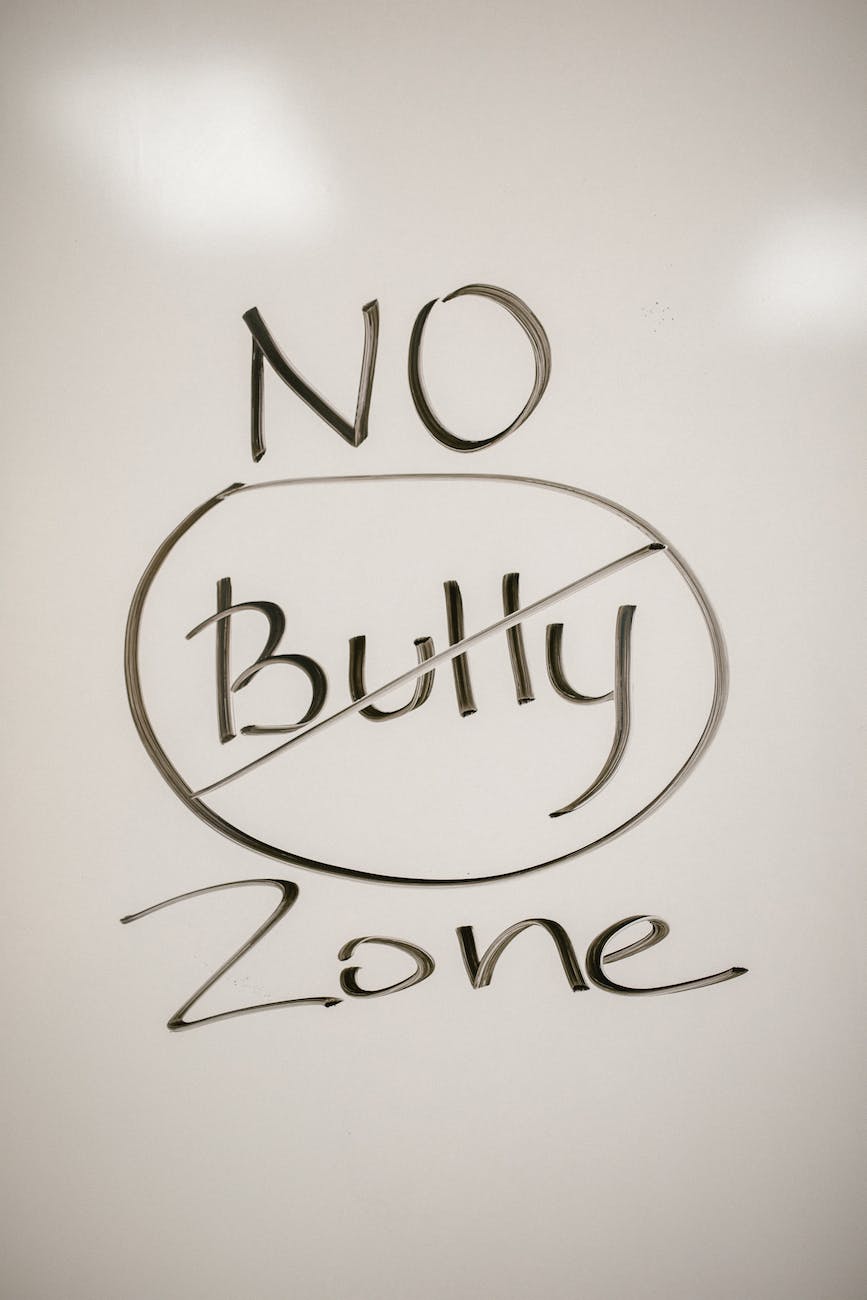
The modern workplace is competitive and stressful. In some organizations, this tension escalates into workplace bullying—intentional, repeated actions designed to damage an employee’s reputation or well-being.
Workplace bullying is becoming alarmingly common. Research suggests that up to 70% of employees have encountered this abuse at some point in their careers.
It is tempting to ignore it. After all, words don’t leave physical scars. However, verbal abuse and exclusion can be incredibly damaging. They lead to long-term negative effects for both the victim and the entire team.
What Constitutes Workplace Bullying?
Workplace bullying is defined as a pattern of unreasonable behaviour directed towards a worker that creates a risk to health and safety. It is repetitive and persistent.
Examples include:
- Ongoing comments meant to belittle or humiliate.
- Excluding specific employees from meetings or training.
- Spreading malicious rumours or gossip.
- Setting unreasonable timelines or changing goalposts.
This toxicity doesn’t just hurt the victim. It creates a culture of fear where other team members feel pressured to conform to avoid becoming the next target.
Why Tackling Bullying Is Crucial
Ignoring bullying is expensive. A toxic environment kills productivity. Talented employees will simply leave, resulting in costly turnover and recruitment fees.
Beyond the financial cost, the human cost is severe. Bullying targets face increased risks of:
- Depression and anxiety.
- Sleep disorders.
- Reduced creative output.
- Long-term mental health injuries.
Strategies to Combat Bullying
The only way to stop bullying is to address it head-on. If you allow it to fester, it becomes normalized.
To create a safe culture, you need a clear plan of action.
1. Establish Clear Boundaries
Creativity requires freedom, but a workplace requires rules. You must establish expectations early.
Some workers thrive on autonomy, while others prefer structure. Regardless of style, everyone needs to know where the line is. Communicating these boundaries consistently helps prevent “grey area” bullying and ensures everyone feels safe.
2. Provide Training and Education
Education is your first line of defense. Ensure all employees understand what bullying looks like—it isn’t always shouting; sometimes it is subtle exclusion.
Training should cover:
- Definitions of bullying vs. reasonable management action.
- How to report incidents safely.
- Bystander intervention (what to do if you witness bullying).
3. Create Safe Reporting Channels
Gossip and backstabbing thrive in silence. If employees feel unsafe reporting the issue, the toxicity will continue underground.
You must ensure that reports are taken seriously. If an employee feels they will be ignored or retaliated against, they will stay silent until they eventually quit.
4. Refine Communication Protocols
Bullying often happens via email or Slack. Careless digital communication can easily turn into harassment.
Establish rules about respectful communication. This protects your internal culture and your client’s privacy. Whether you are an employer or an employee, being aware of how you communicate is the first step to stopping accidental bullying.
Conclusion
No one likes to admit their office has a bullying problem. However, downplaying the risk is dangerous.
By actively addressing the issue, providing training, and creating safe reporting channels, you can protect your staff. A culture that values compassion and collaboration is not just “nice to have”—it is essential for a high-performing business.
External Resource: Law Council of Australia: What is Bullying?
Need Help with a Bullying Claim?
Jolasers Investigations provides expert, independent bullying investigations to help you uncover the truth.
Telephone: 0418 101 164 (Stephen Oliver)
Common Questions
Is reasonable management action bullying?
No. Managers have the right to direct work, set goals, and provide feedback. If this is done reasonably and lawfully, it is not considered bullying, even if the employee finds it stressful.
Can I report bullying anonymously?
This depends on your company’s policy. However, anonymous reports are difficult to investigate thoroughly because the investigator cannot verify details with the complainant.
What if the bullying is subtle?
Subtle bullying (like exclusion or withholding information) is still bullying. Document every instance, including dates and times, to establish a pattern of behaviour.