
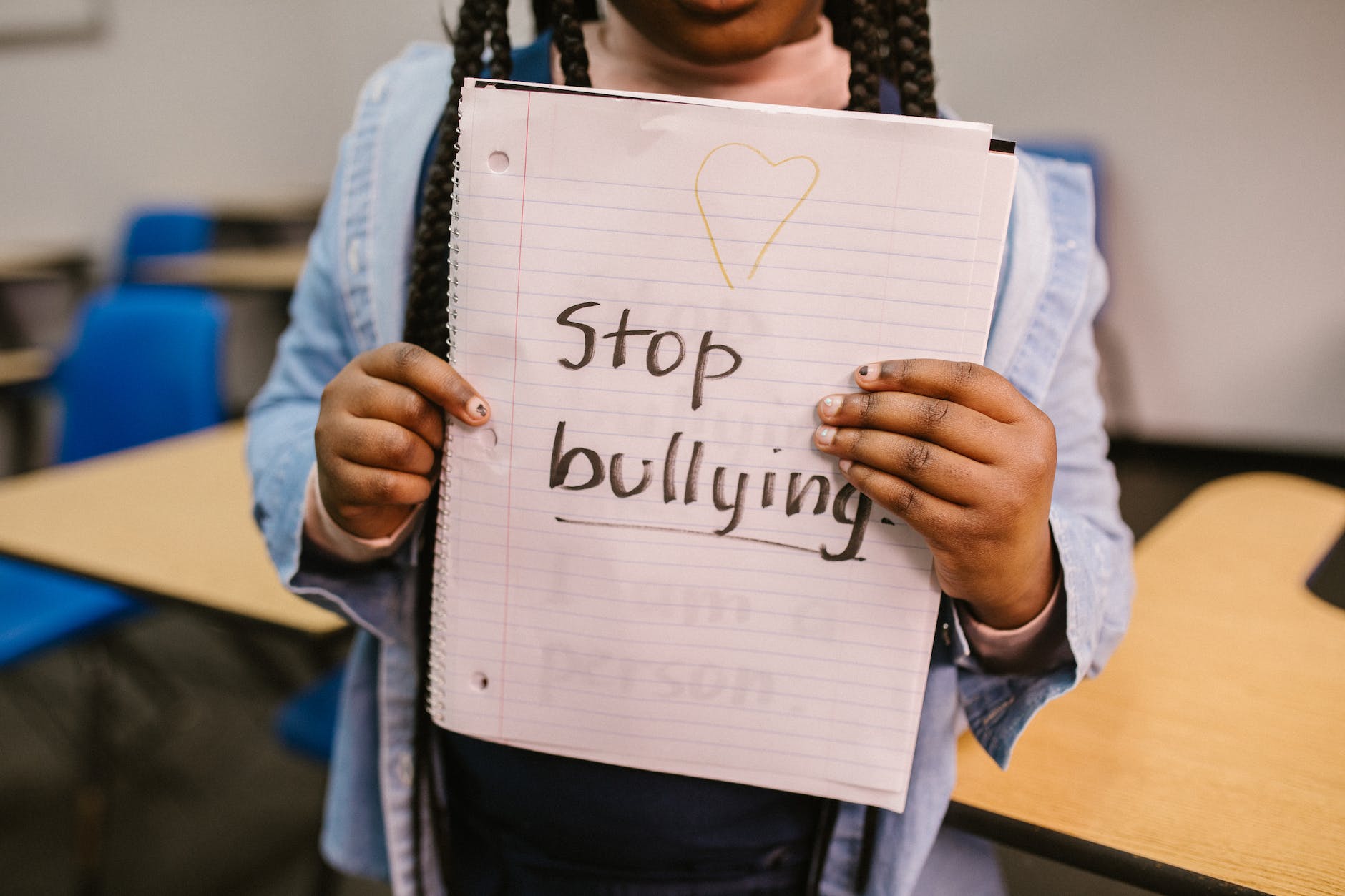
When individuals think of workplace bullying, images of high school often come to mind. You picture a group of “mean girls” or boys out to bring another employee down.
While these cliques do exist in the corporate world, the reality is often more subtle and insidious. Understanding the difference between bullying, discrimination, and harassment is vital for your safety.
If you are unsure whether you are dealing with a tough boss or a legal breach, you may need to initiate a Melbourne workplace bullying investigation to uncover the truth.
What Is Workplace Bullying?
For the sake of clarity, bullying is a specific legal category. According to Safe Work Australia, workplace bullying is defined as repeated, unreasonable behaviour directed towards a worker or a group of workers that creates a risk to health and safety.
The Key Elements:
- Repeated: It must happen more than once. A single angry outburst is generally not bullying (though it may be unprofessional).
- Unreasonable: The behaviour is victimising, humiliating, intimidating, or threatening.
Think of a bully as someone who won’t let go. They may confront you once, but even after you stand up for yourself, they keep coming.
Harassment vs. Discrimination: The Data
While bullying is about behaviour, discrimination and harassment are about who you are.
Harassment occurs when a person is treated less favourably because of a protected attribute (like race, gender, or disability). Unlike bullying, harassment does not need to be repeated—a single serious incident can be unlawful.
The Statistics: Who is Targeted?
Discrimination does not affect everyone equally. Concrete data from the Diversity Council Australia (DCA) Inclusion at Work Index (2021-2022) reveals significant disparities:
- First Nations People: 50% of Aboriginal and/or Torres Strait Islander workers reported experiencing workplace harassment and/or discrimination.
- Disability: 48% of workers with a disability reported experiencing harassment and/or discrimination.
- Gender: Women are significantly more likely to experience sexual harassment, with the AHRC reporting that 41% of women have been harassed at work in the last 5 years.
Types of Harassment
If you believe you are being targeted based on your identity, you may have grounds for a Geelong harassment investigation or a formal complaint in your specific location.
Common categories include:
1. Racial Discrimination
This involves being treated less favourably because of race, colour, descent, national or ethnic origin. It includes racial slurs, “jokes,” or being overlooked for promotion due to bias.
2. Sexual Harassment
This is unwelcome conduct of a sexual nature. It includes unwanted advances, intrusive questions about private life, or sending explicit material.
3. Disability Discrimination
This occurs when an employer fails to make reasonable adjustments for a worker with a disability, or treats them unfavourably because of their condition.
4. Age Discrimination
This affects both younger and older workers. It includes making assumptions about a person’s capability based on their age (e.g., “they are too old to learn new software”).
Workplace Violence vs. Bullying
It is important to distinguish these terms. Workplace violence is physical. It includes:
- Physical assault.
- Throwing objects.
- Threatening with a weapon.
Bullying is psychological. However, unchecked bullying can escalate into violence if the perpetrator “snaps.” Both are serious WHS breaches.
Bottom Line
Bullying is repeated unreasonable behaviour. Harassment is targeting someone based on their identity.
Both are illegal. Whether you are in the city or require workplace investigations in Mildura, you have the right to a safe workplace.
Don’t put up with it. Report the abuser to your company’s HR department immediately to take control of the situation.
Need to Stop the Bullying?
Jolasers provides expert, independent investigations to uncover the truth and restore safety.
Telephone: 0418 101 164 (Stephen Oliver)
Common Questions
Is a single incident considered bullying?
Generally, no. Bullying is defined as ‘repeated’ behaviour. However, a single incident can still be misconduct or harassment (if based on a protected attribute).
What is a ‘protected attribute’?
These are personal characteristics protected by law, including race, colour, sex, sexual orientation, age, physical or mental disability, marital status, and religion.
Can I go to the Fair Work Commission?
Yes. If you are still employed and the bullying is ongoing, you can apply to the Fair Work Commission for an order to stop the bullying.